Rideshare is excellent at some things. Pretending otherwise helps nobody. Here is where each option actually belongs.
Where rideshare wins
Short notice, short distance, low stakes. If you are going four blocks in the rain and nobody is waiting on you, an app is faster and cheaper. It is also better in cities where you have no relationship with an operator and no time to build one.
Where it stops working
Airport arrivals. A driver who accepts your job when you land is not at the airport yet, and cannot meet you at baggage claim. On an international arrival with luggage, the difference is 20 minutes of standing outside.
Anything with a schedule attached. A cancelled ride ten minutes before a board meeting is a different category of problem from a cancelled ride before dinner.
Client-facing travel. You do not control what arrives. Vehicle, cleanliness and driver presentation are all variable.
Groups. Three cars arriving separately is worse than one vehicle arriving once.
The honest trade-off
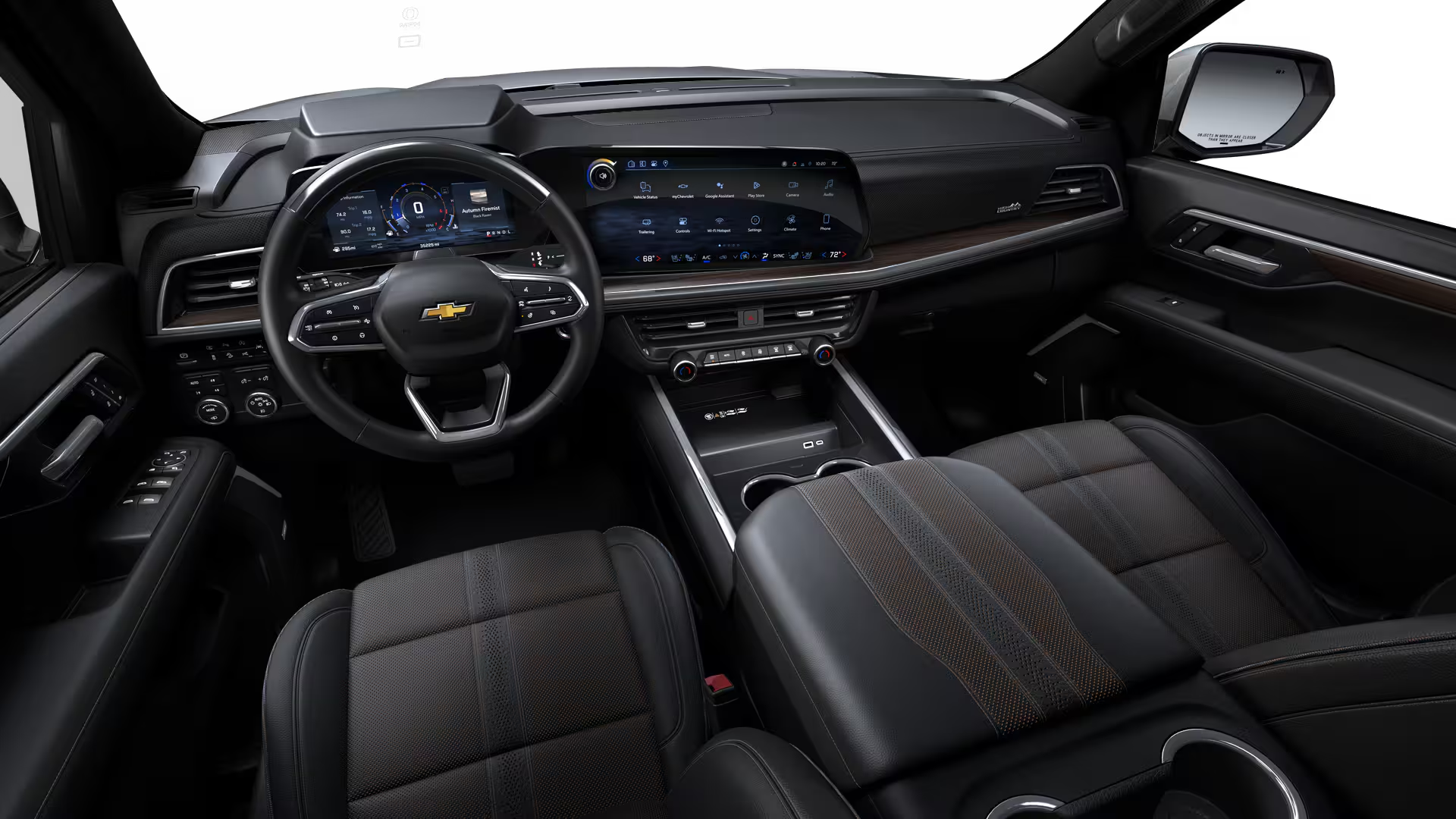
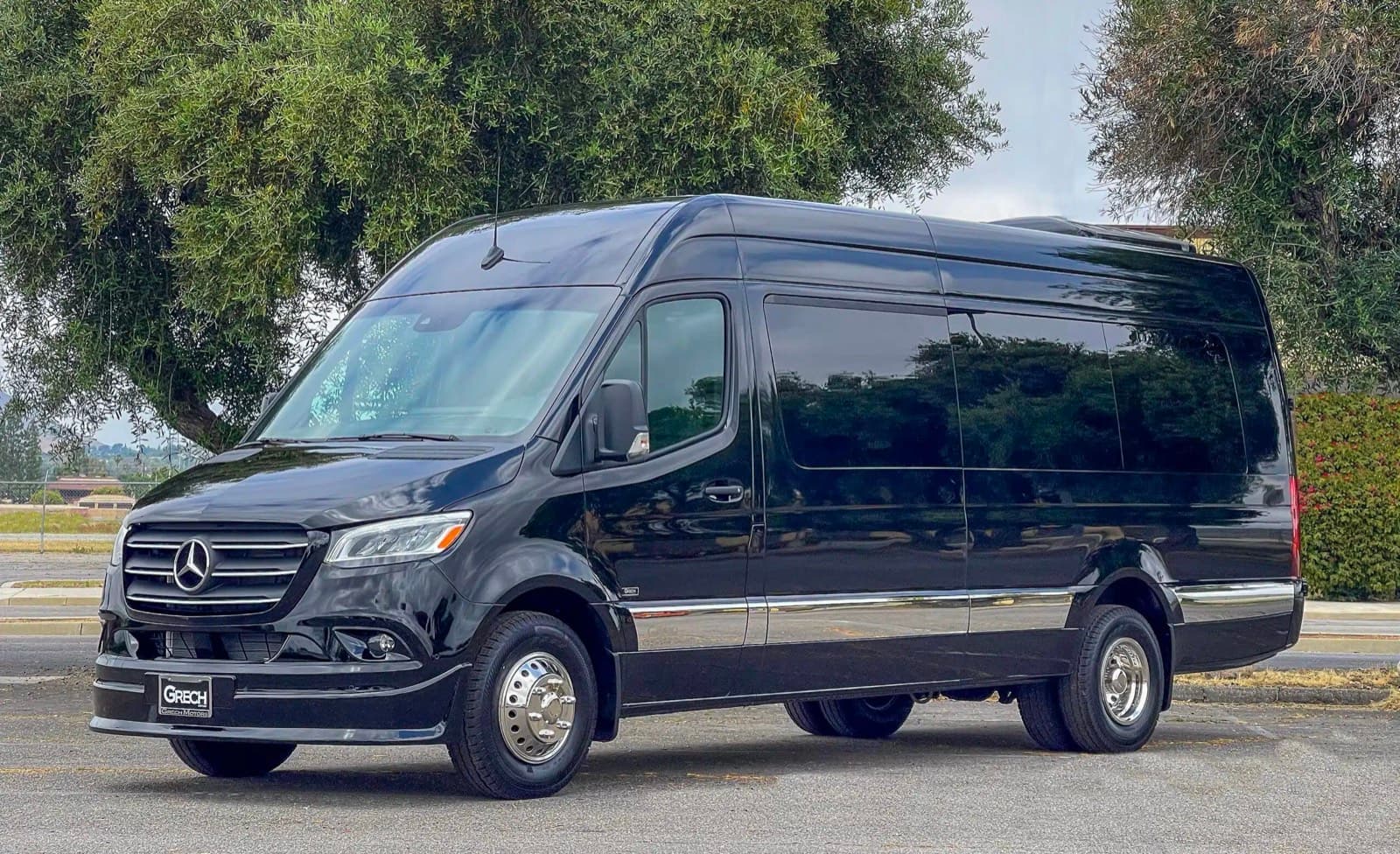
Booked chauffeur service costs more per journey. What you buy is certainty: a named chauffeur, an assigned vehicle, a fare agreed in advance, and someone answering the phone when something changes. For a Tuesday errand that is over-specified. For a client arriving from Frankfurt it is the minimum.
A practical policy
Most companies we work with end up with a simple rule: rideshare for personal, ad-hoc and low-stakes movement; booked service for airports, clients, executives and anything with a meeting at the end of it.