Accessible travel works when the details are known before the vehicle is assigned, not at the kerb.
Say what is needed, specifically
There is a real difference between a passenger who can transfer to a seat with a folded chair stowed, and one who stays in their wheelchair for the journey. The first can travel in an SUV; the second needs a ramp-equipped van with securement.
What to send
- Whether the passenger stays in the chair or transfers
- Chair type: manual, powered, scooter, and rough dimensions if powered
- Whether a companion or carer is travelling
- Any need for extra time at either end
What we provide
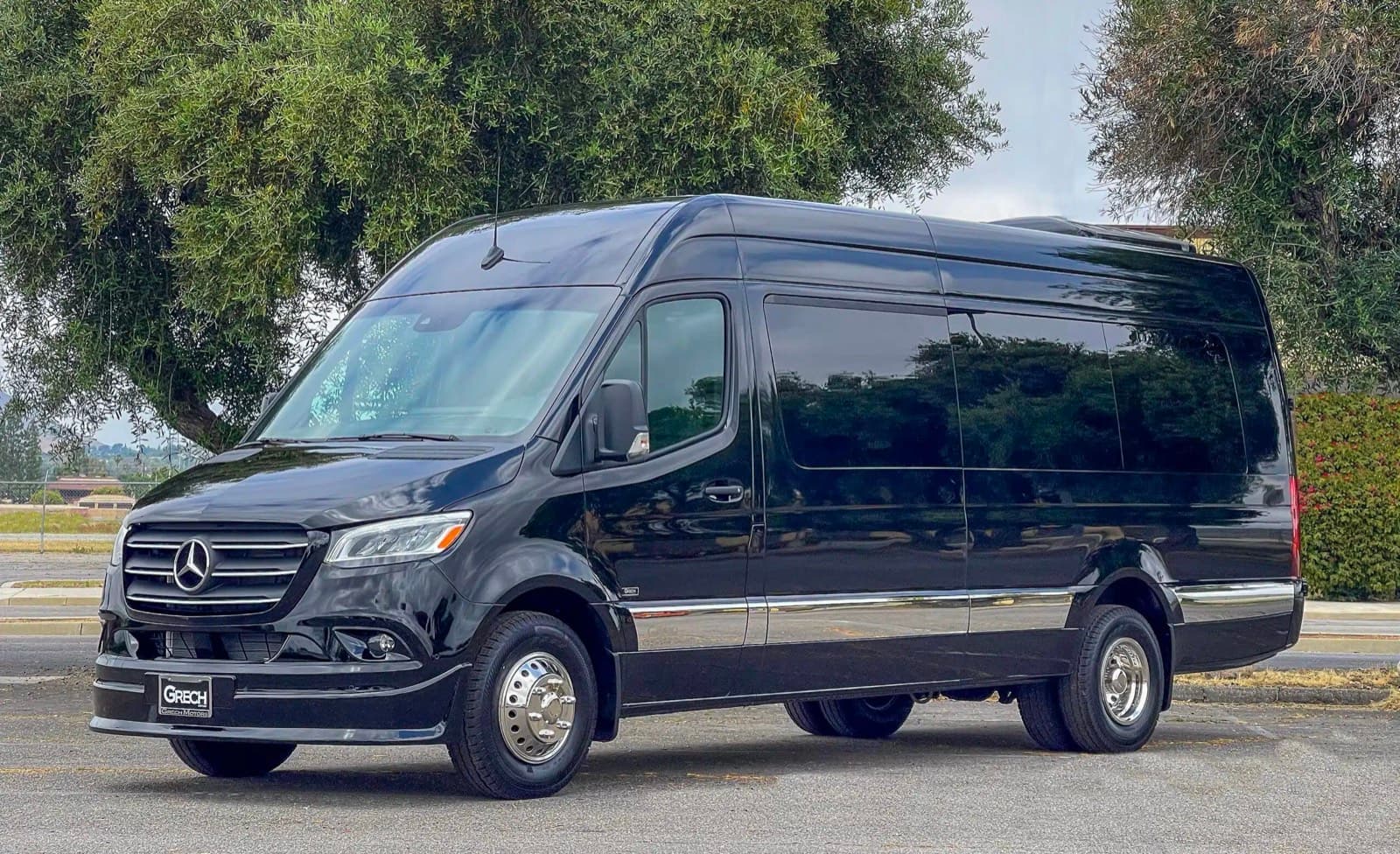
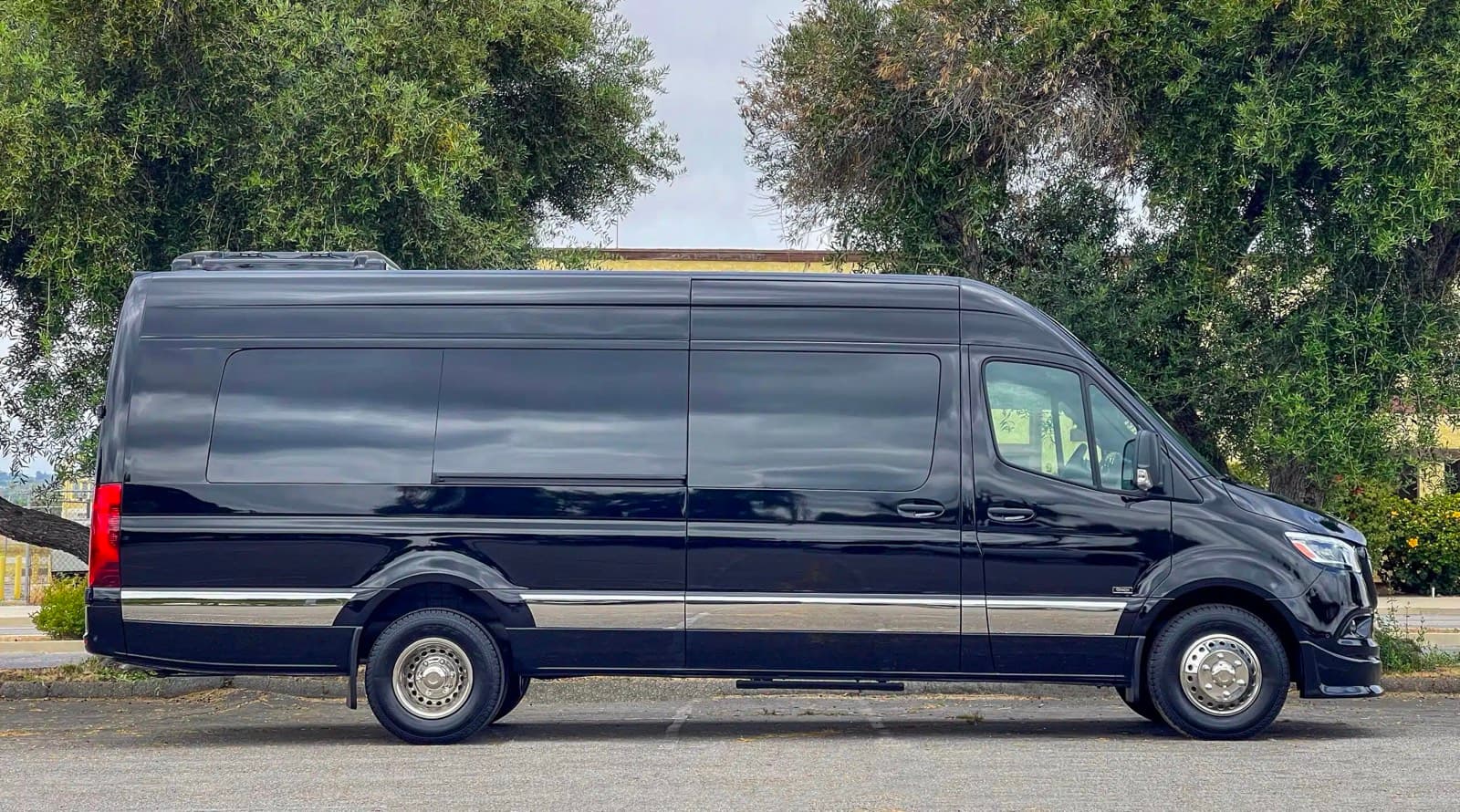
ADA Sprinter vans with ramps and securement systems, in markets where they are available. Chauffeurs help door to door as standard, and service animals travel free.
Airports
For arrivals, tell us if airport assistance is booked. Wheelchair assistance through an airport can add 30 to 45 minutes after landing, and the chauffeur should be told to expect it rather than assume a delay.
Medical journeys
For appointments, discharges and recurring treatment, we run non-emergency medical transportation with the same vehicles. It is not an ambulance service, and in an emergency you should call 911.